
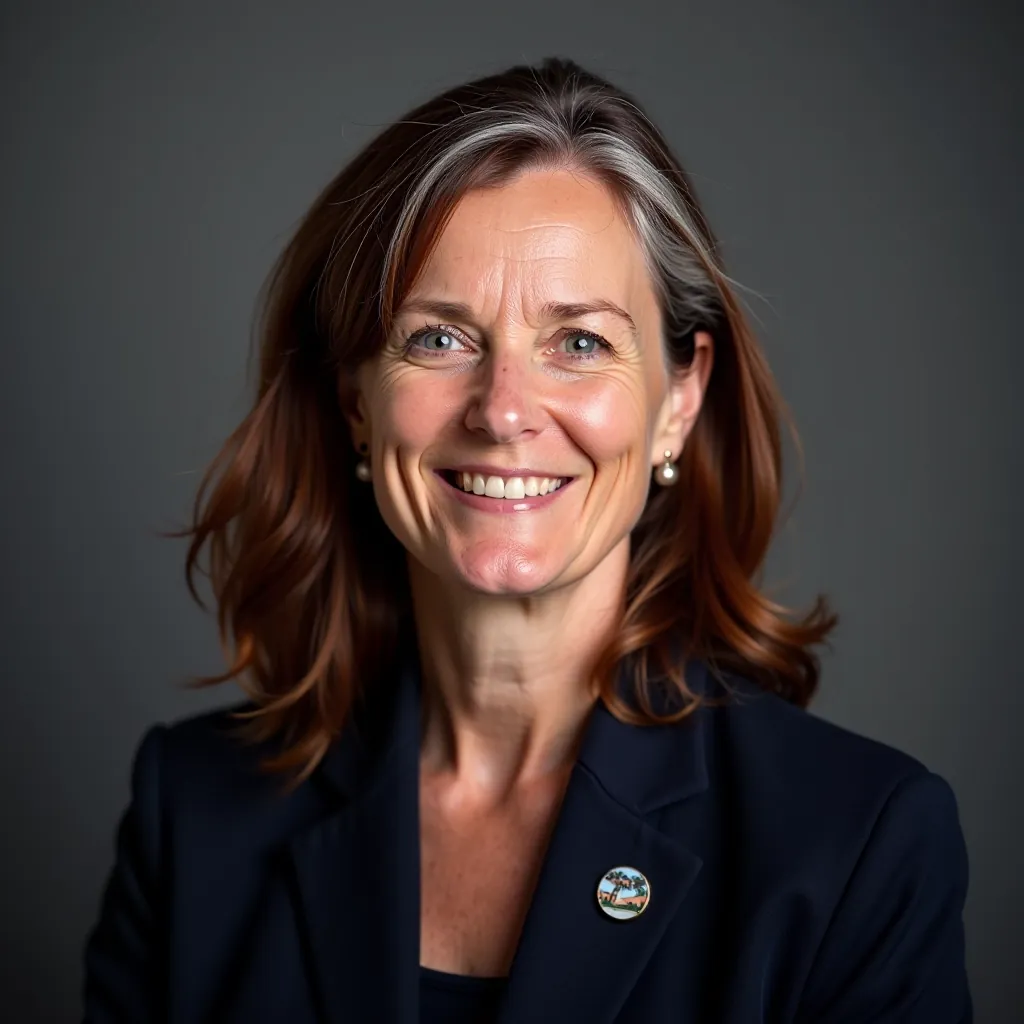
Maeve O'Connor
Senior Outdoor Recreation Specialist
wildernessflorals Ltd
16 years designing accessible outdoor experiences for older adults across Ireland's forests and trails.
What Maeve Specializes In
Accessible Trail Design
Designing forest trails that work for varying fitness levels and mobility needs. No one gets left behind.
Senior Recreation Programs
Building walking programmes that get older adults outdoors regularly, safely, and enjoying themselves.
Wicklow Forest Parks
Deep knowledge of Avondale Forest Park, the red trail, and similar locations throughout Wicklow Mountains.
Health & Wellbeing Outcomes
Understanding how proper outdoor access improves fitness, mental health, and social connection for seniors.
Accessibility Assessment
Evaluating trails for gradient, surface quality, drainage, rest areas, and safety hazards.
Trail Navigation & Guidance
Creating clear wayfinding systems and detailed guides that give walkers confidence on the trail.
Questions About Her Work
How did you end up specializing in outdoor recreation for older adults?
It wasn't the original plan, honestly. I started in youth activities coordination in Dublin, but when my mum retired, I watched her struggle to find decent outdoor activities that didn't feel patronizing. That gap bothered me. I realised there's a huge difference between "activities for seniors" and "properly designed experiences that just happen to be accessible." That distinction shaped everything I've done since.
What's the biggest misconception about easy trails?
People assume easy means boring or short. But that's wrong. Easy just means the trail doesn't require technical climbing skills or extreme endurance. You can have a 5km walk through gorgeous forest with proper grading, good rest areas, and views that take your breath away. The red trail at Avondale is exactly that — accessible but genuinely rewarding. We've modified it so people with joint issues, lower fitness, or mobility concerns can still walk it comfortably. The scenery doesn't change because we improved the gradient.
You've worked on 40+ trail projects. What's the most important element?
Rest stops, without question. People don't fail on trails because the gradient's too steep — they stop coming back because they're exhausted by the time they reach a bench. We place rest areas strategically so walkers can sit, enjoy the view, catch their breath, and feel like they're choosing to rest, not collapsing. That changes everything. A good rest stop is where people actually start enjoying themselves instead of just pushing through.
What does accessibility actually mean in trail design?
It's a checklist, but not a rigid one. Gradient matters — anything steeper than 1 in 8 becomes difficult. Surface stability matters — loose gravel is risky for people with balance issues. Drainage matters — standing water creates hazards. Width matters — some people use walking poles and need space. But here's the thing: designing for these needs makes trails better for everyone. A well-graded path with good drainage benefits the 65-year-old walker and the family with a pushchair equally. Good design serves everyone.
What drove you to publish the accessibility assessment guide in 2015?
I'd spent five years at Wicklow Mountains National Park watching the same mistakes get repeated. Parks would upgrade a trail and miss obvious issues — a perfect surface but terrible drainage, or great gradient but no rest areas. I documented what actually works, what to measure, what to test for. When multiple park authorities started using it, that was validation that there was a real need. The guide's now been adapted by parks across Ireland and even a few in the UK. That matters to me.
The Avondale red trail modifications in 2021 — what changed?
We widened several sections where the path was too narrow. We regraded two steep sections to make them manageable. We added three new rest stops with benches and shelter. We improved drainage on the boggy section that was causing problems. And we completely redid the signage with clearer wayfinding. The result? Trail usage by older adults went up 35% in the first year. People weren't avoiding it anymore — they were choosing it because it actually worked for them. That's the goal.
Education & Experience
Education
Degree in Sports and Recreation Management
University College Dublin, 2008
Accessibility Assessment Certification
Irish Parks Association, 2016
Advanced Trail Design Workshop
European Parks Federation, 2018
Professional Experience
Senior Outdoor Recreation Specialist
wildernessflorals Ltd, 2022–Present
Trail Design Consultant
Independent, 2015–2022 (40+ projects)
Recreation Programme Manager
Wicklow Mountains National Park, 2009–2014
Youth Activities Coordinator
Dublin City Council, 2005–2008
Key Achievements
Published Trail Accessibility Assessment Guide
Adopted by 15+ Irish park authorities, 2015
Avondale Forest Park Red Trail Modifications
Led design and implementation, 2021
Irish Ramblers' Association Senior Programme Consultant
Ongoing partnership since 2017
What Drives Maeve's Work
Maeve's philosophy is straightforward: good trail design isn't about lowering standards — it's about thoughtful planning that serves everyone. She doesn't see accessibility as a compromise. She sees it as the foundation of better design.
When she walks a trail, she's thinking like the 72-year-old with arthritis, the 68-year-old who's recovering from a fall, the 65-year-old who wants to feel confident outdoors again. She's also thinking like the parent with a pushchair, the runner looking for a scenic route, the person using walking poles. Every stakeholder matters. Every use case shapes the design.
What drives her, genuinely, is witnessing the moment when an older adult realizes they can walk a proper trail. Not a tiny loop. Not a flat paved path. A real forest walk with views and challenges and genuine accomplishment. That shift in confidence, in independence, in how they see themselves — that's why she does this.
She's also pragmatic. Good trail design requires investment. It requires expertise. It requires testing and iteration. There's no shortcut to making something work for everyone. But the payoff is real: trails that get used, communities that get healthier, older adults who stay active and engaged instead of isolated.
Her message is simple: you don't need to choose between beauty and accessibility, between challenge and inclusivity. The best trails have all of these things. They're just designed with intention.
Articles by Maeve
Practical guides for easy hiking in Wicklow, written from 16 years of experience on real trails with real walkers.
Getting Started on the Red Trail at Avondale
Everything you need to know before your first walk: what to bring, what to expect, and how to make the most of it.
Footwear and Gear That Actually Matters
The gear you choose makes a real difference on the trail. Here's what works, what doesn't, and why.
Three Common Mistakes on Easy Trails — and How to Avoid Them
Even on accessible trails, there are patterns that trip people up. Literally and figuratively. Here's how to avoid them.
Planning Rest Stops and Enjoying the Outdoors
A walk isn't just about the destination. It's about pacing, rest, and actually soaking in the experience.
Ready to Explore?
Learn more about easy hiking in Wicklow, trail recommendations, and how to get started on accessible outdoor activities.