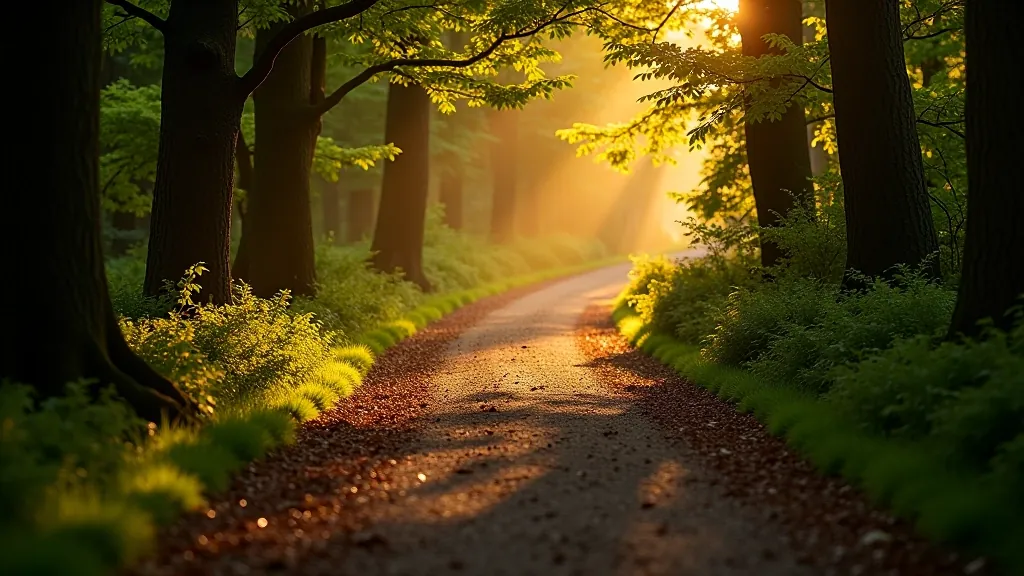
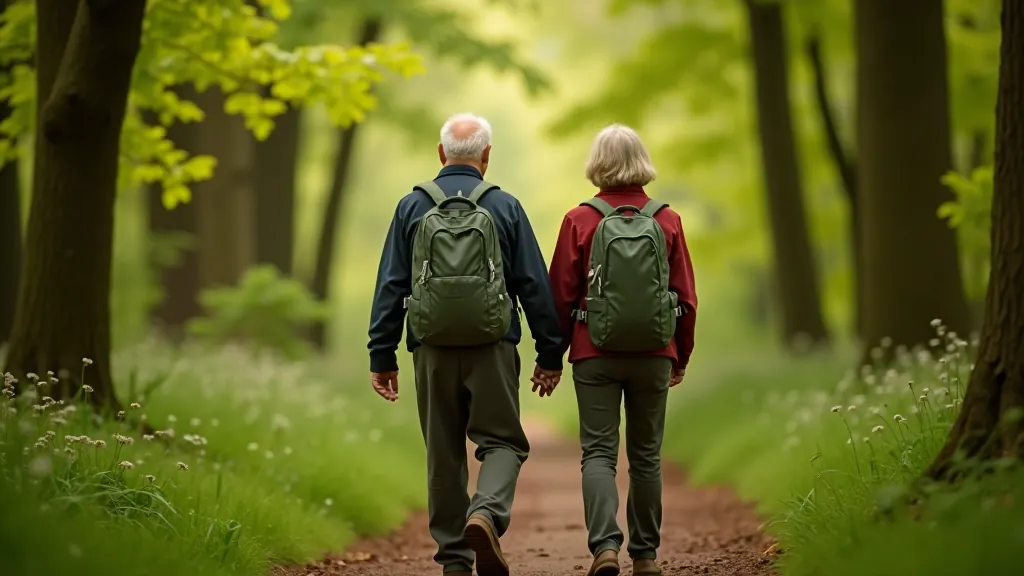
Getting Started on the Red Trail at Avondale
Learn what to expect on this popular route — distance, difficulty level, and the scenic highlights that make it special for older walkers.
Read moreThe best part of hiking is slowing down and actually noticing things. Find scenic spots to rest, pack snacks you'll enjoy, and make it a real experience.

Here's the thing — hiking isn't a race. Most people who rush through a trail miss the whole point. When you plan proper rest stops, you're not being lazy. You're actually setting yourself up for a better experience and more sustainable pacing throughout the walk.
A good rest stop breaks up the physical demands and gives your body time to recover between efforts. But it's also where the real enjoyment happens. You notice the light through the trees. You hear the birds properly. You actually taste your coffee instead of just drinking it while moving.
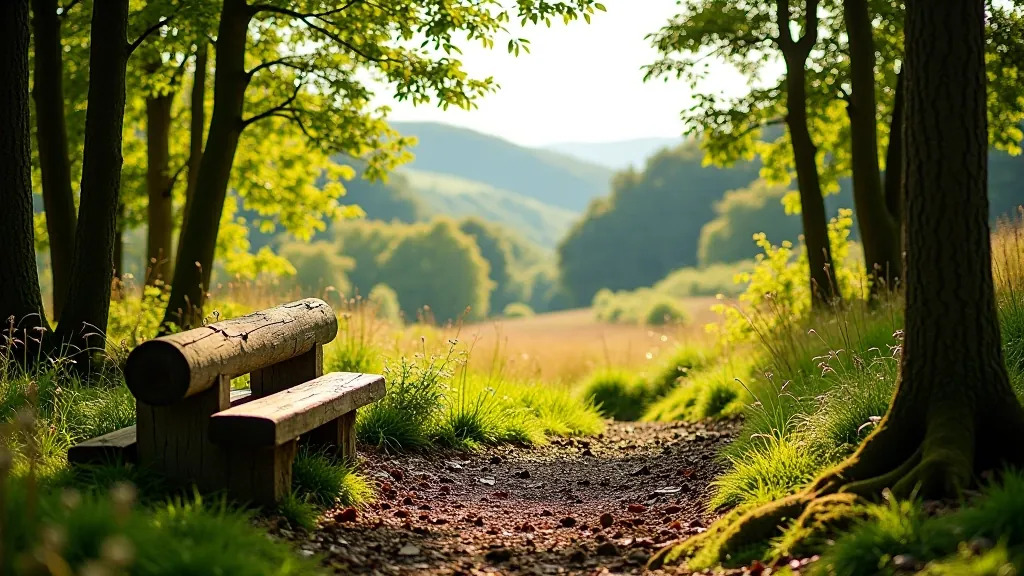
Not all spots are created equal. A good rest stop on the Red Trail at Avondale has a few key qualities. You want somewhere relatively flat or with a natural bench — a log, a rock formation, or a proper bench if you're lucky. The trail has several of these scattered along the route, roughly every 15-20 minutes of walking.
Look for spots with a view. There's a clearing about halfway through where you can see across the valley. That's prime rest territory. You also want shade on sunny days, which most of the forest provides naturally. Avoid stopping right on the trail itself — step aside slightly so other walkers can pass without having to navigate around you.
Distance matters too. Don't plan your first rest stop within the first 5 minutes. You'll want at least 10-15 minutes of easy walking before settling in. This gets your body warmed up and makes the pause feel earned rather than necessary immediately.

This is where a lot of people get it wrong. You don't need fancy energy gels or expensive trail mixes. You need things you actually want to eat. If you pack something because it's "good for hiking" but you don't like it, you won't enjoy your break.
Water is non-negotiable. Bring at least 500ml, more on warmer days. A good water bottle keeps it cool and makes sipping pleasant. For snacks, think about what genuinely satisfies you. A banana is simple and natural. Some people swear by cheese and crackers. A few biscuits with a bit of chocolate work too. The point is variety and satisfaction, not maximizing calories.
Pack small portions in separate containers rather than one big bag. This makes your rest stop feel more intentional — you're having a break, not just refueling. A small thermos of tea or coffee is brilliant on cooler days. It adds warmth and comfort that goes beyond just calories.
Bring about 10-15% more than you think you'll need. You might walk longer than planned, or you might meet someone on the trail who'd appreciate sharing. There's something genuinely nice about offering someone a biscuit at a scenic overlook.
A good rest stop isn't rushed. Plan for 10-15 minutes at each major stop. That's enough time to actually relax, eat something properly, and let your heart rate settle. Don't just stand there for 90 seconds and keep moving — that defeats the purpose.
The Red Trail at Avondale is about 4 kilometers and takes most people 60-90 minutes depending on pace. You'll want two main rest stops. One around the halfway point, and one near the end if you're feeling it. Some days you'll want more, and that's fine. Listen to your body rather than sticking rigidly to a plan.
If your legs feel heavy or you're breathing harder than feels comfortable, stop earlier. There's no prize for pushing through discomfort. The people who enjoy hiking most are the ones who respect their pace and take breaks when needed, not when a watch tells them to.
Timing also matters for the experience. A rest stop at golden hour — late afternoon when the light's warm and soft — feels completely different than one in bright midday sun. If you can, plan walks to finish around late afternoon rather than early morning. You'll get better light, fewer crowds, and the whole day to look forward to it.
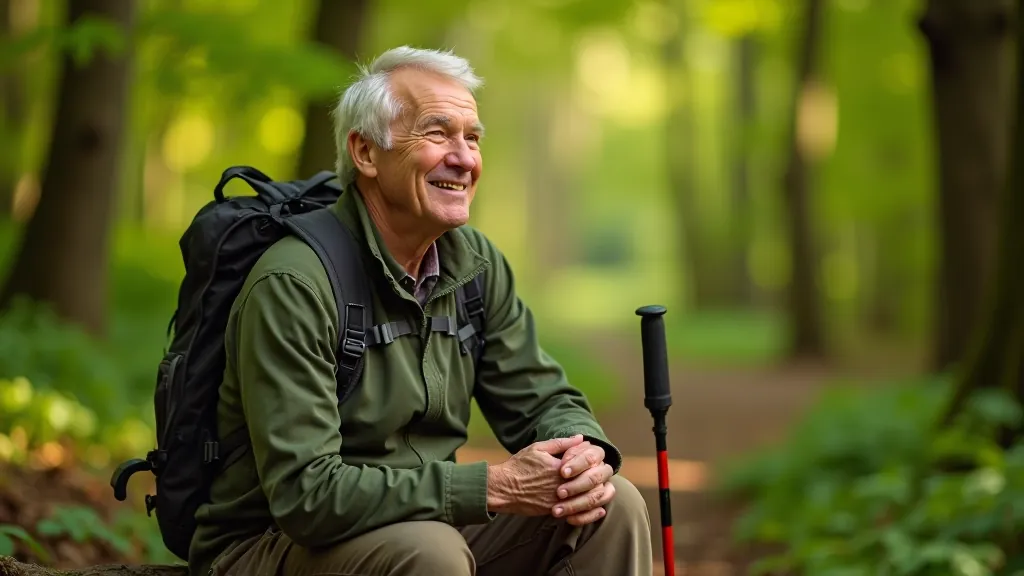
The real magic happens when you shift your mindset about rest stops. They're not interruptions to hiking — they're the heart of it. This is where you notice things. A bird you've never seen before. The specific smell of the forest after rain. The way light catches on leaves.
Bring something to sit on if the ground or bench isn't appealing. A small camp towel or cushion costs almost nothing and makes a huge difference in comfort. You're more likely to actually enjoy your break if you're not worrying about dampness or discomfort.
Don't spend your rest stop staring at your phone. You're outside for a reason. Put it away, or use it only to take a photo of something that genuinely catches your eye. Talk to other walkers if they pass. Read a page of a book if that's your thing. Sit quietly and breathe. There's no wrong way to rest.
The goal isn't to complete the trail. It's to have spent time outside, moved your body, and actually felt present while doing it. Rest stops are where that happens.
This article is for informational purposes about planning outdoor walks and rest stops. Everyone's fitness level and hiking ability is different. If you have any health concerns, existing injuries, or conditions that might affect your ability to walk, consult your doctor or a healthcare professional before starting any new walking routine. The Red Trail at Avondale is a real location — always check current conditions, weather forecasts, and any trail closures before visiting. Bring appropriate footwear, sun protection, and sufficient water. Walk at your own pace and stop whenever you need to.