
Three Common Mistakes on Easy Trails — and How to Avoid Them
Even gentle hikes can be uncomfortable if you're not prepared. We cover pacing, hydration, rest breaks, and how to know when to turn back.
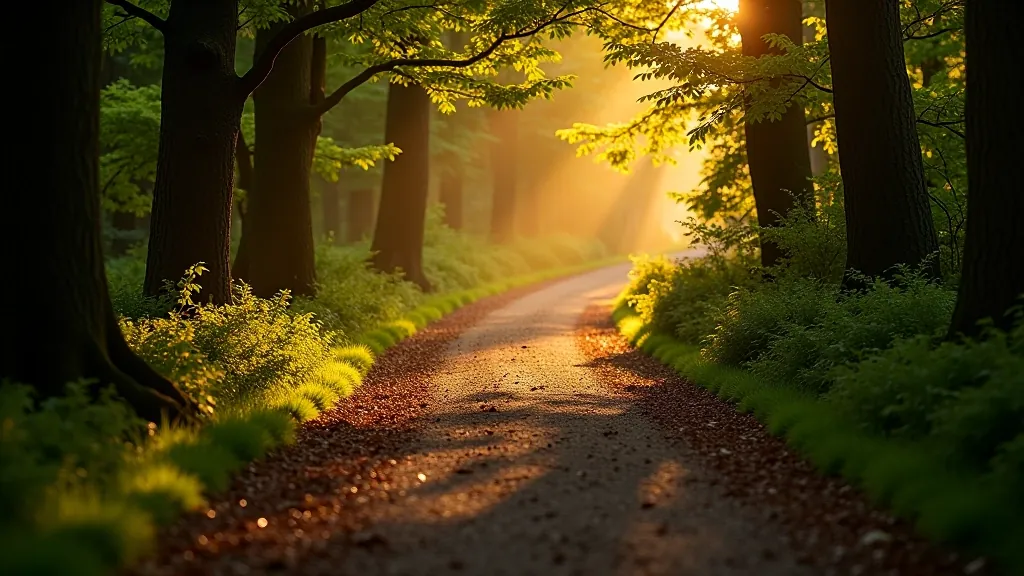
What Makes Easy Trails Tricky
You'd think an easy trail would be, well, easy. But here's the thing — it's not about difficulty level. It's about preparation. We've watched dozens of walkers turn back halfway through a gentle forest path because they didn't think about the basics. The trail itself wasn't the problem. Their approach was.
The good news? These mistakes are completely avoidable. Most people who struggle on easy trails are making the same three errors. Once you know what they are, you'll understand why some walkers cruise through without breaking a sweat while others are exhausted by kilometer two.
The Real Challenge
Easy trails aren't hard. But they're easy to underestimate. That's where most walkers slip up — literally and figuratively.
Going Too Fast Too Soon
This is the biggest one. People get excited. The weather's nice, the trail looks pleasant, and they set off at a pace that feels natural for the first five minutes. But here's what happens — by kilometer 1.5, they're already tired and they've still got 3 kilometers to go.
The Avondale red trail is about 6 kilometers in total. That's manageable. But it's also long enough that pacing matters. If you're walking at 5 kilometers per hour for the first half, you'll be struggling by the end. You'll want to stop every few minutes. Your legs will ache. And worst of all, you'll miss the nice bits because you're focused on just getting through.
How to Fix It
Aim for about 3 to 3.5 kilometers per hour on flat sections. That's roughly 17-20 minutes per kilometer. Doesn't sound slow? Try it. You'll notice you can actually talk comfortably without getting out of breath. That's the right pace. You should be able to have a conversation without stopping.
Start even slower — really, give yourself the first 500 meters to warm up properly. Your body needs about 10 minutes to settle into hiking. Don't race that part.

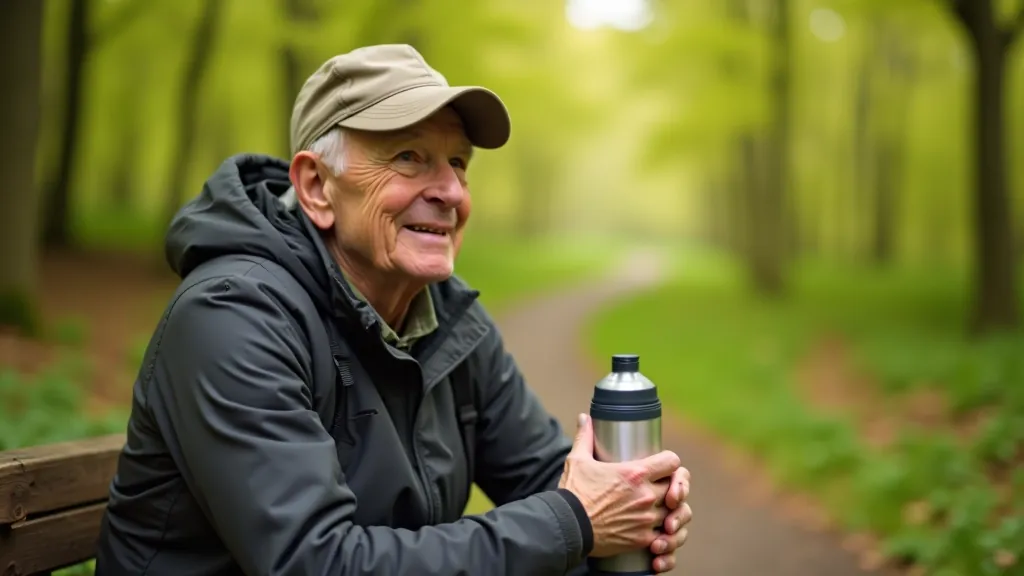
Not Drinking Enough (or at All)
This one surprises people. "It's only 6 kilometers," they think. "I don't need water for that." Then at kilometer 3, their energy crashes and they can't understand why. They're not thirsty, so they don't think about hydration. But that's the trap.
You don't feel thirsty until you're already dehydrated. By then, your body's already struggling. Your legs feel heavier. You're more likely to stumble. Concentration drops. And the enjoyment? Gone. You're just trying to finish.
How to Fix It
Bring at least 1 liter of water. Drink roughly 200 milliliters every 20 minutes of walking, whether you feel thirsty or not. That means every kilometer or so, you're having a sip. It doesn't feel like much. But it keeps your body functioning properly.
Pro tip: Don't wait until you're tired to drink. Drink before you get tired. Set a small timer on your phone if it helps — just a gentle reminder. And don't drink all your water at the start. Spread it throughout the walk.
Skipping Rest Stops
The best part of hiking gets skipped because people think they shouldn't need to rest on an easy trail. So they push through. No breaks. Just head down and keep moving. It's a shame, really. Those rest moments are when you actually enjoy where you are.
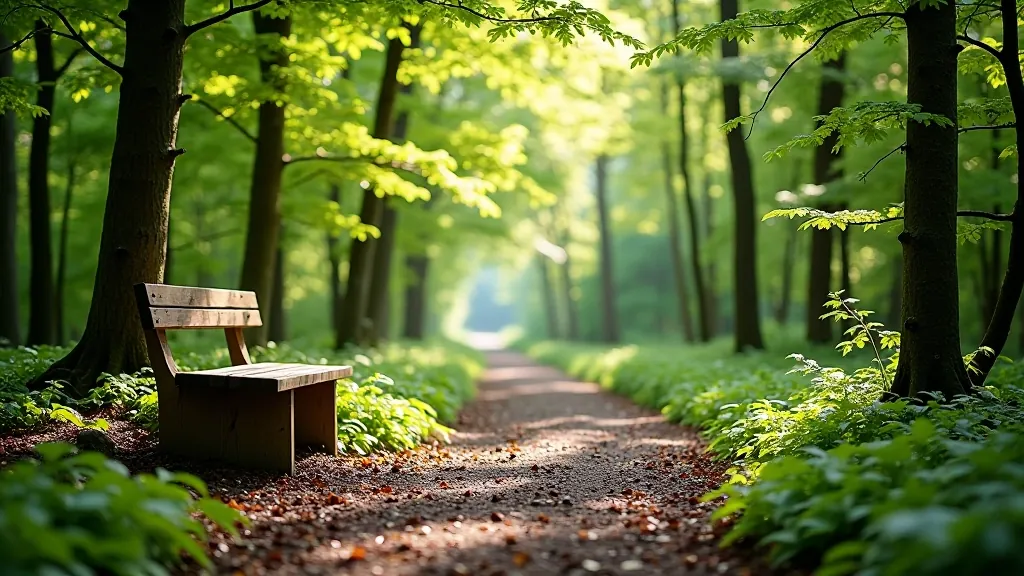
The Avondale forest has benches scattered along the path. Beautiful spots where you can sit and actually look around. But people miss them because they're rushing or because they feel like they should keep going. Taking a break doesn't mean you're weak. It means you're being smart.
How to Fix It
Plan for 2-3 proper rest stops on a 6-kilometer walk. Not just a quick pause — actually sit down for 5-10 minutes. Let your legs recover. Eat something small like a banana or a biscuit. These breaks aren't delays. They're part of the experience.
You'll actually walk faster overall because you're not getting tired. Your body recovers between sections. And honestly? Those quiet moments sitting in the forest, watching light through the leaves — that's why you came here, right?
Knowing When to Turn Back
Here's something nobody wants to admit: sometimes you need to turn back. And that's completely fine. Easy trail or not, if your body's telling you something's wrong, listen to it.
Sharp pain in your knee? That's not normal. Dizziness that won't go away? Stop. Chest tightness or shortness of breath that's different from regular exertion? Turn around. These aren't signs of weakness. They're your body saying it needs something different today. Maybe you're coming down with something. Maybe you didn't sleep well. Maybe you're just not feeling it. All valid reasons.
The trail will be there next week. You'll be healthier and stronger next time if you listen to yourself now. Pushing through discomfort on an easy trail isn't brave — it's just stubborn. Don't do it.
Putting It All Together
An easy trail doesn't mean a careless walk. The three biggest mistakes — going too fast, not hydrating, and skipping rest — are all about pacing and preparation. Fix those three things, and you'll transform your experience completely.
That's it. No fancy gear. No special training. Just a sensible approach that'll keep you comfortable, safe, and actually enjoying the walk. The Avondale red trail is beautiful. You deserve to experience it properly.
Important Note
This article is informational and educational. It's not a substitute for professional medical advice. If you have pre-existing health conditions, joint problems, or concerns about your fitness level for hiking, speak with your doctor before starting any new outdoor activity. Everyone's body is different. What works for one person might not work for another. Know your limits and respect them.

Related Articles