

Getting Started on the Red Trail at Avondale
Learn what to expect on this popular route — distance, difficulty level, and the best spots to rest along the way.
Read ArticleYou don't need expensive equipment. We cover the essential items that make hiking comfortable and safe — boots, walking poles, and simple accessories that help.
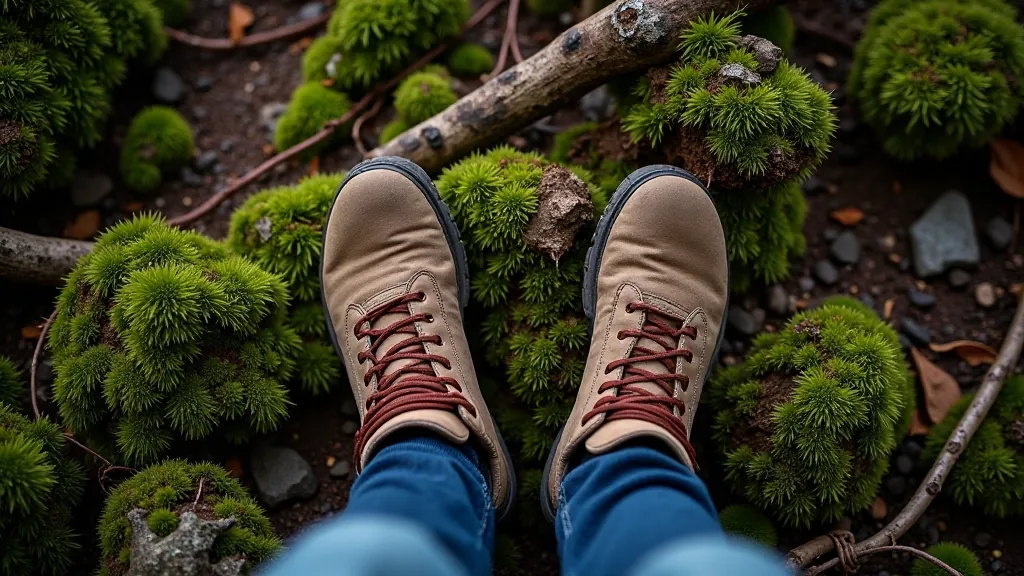
Here's the thing about hiking gear — it's easy to overthink it. You'll see catalogs full of technical equipment, fancy brands, and pricey gadgets. But honestly? Most of what you actually need is straightforward and affordable. We're not talking about expensive ultralight gear or fancy high-tech fabrics. We're talking about proper footwear, practical support, and a few accessories that make the difference between a comfortable day out and one where your feet hurt for a week.
The key is understanding what actually matters on the trail. After working with hundreds of hikers over the years, we've seen which items genuinely improve the experience and which ones just collect dust in the garage. This guide focuses on what works in reality, not what looks impressive in a catalog.
The foundation of comfortable hiking starts with your feet.
They reduce strain on knees and provide stability on uneven ground.
A few well-chosen items make outdoor time safer and more enjoyable.
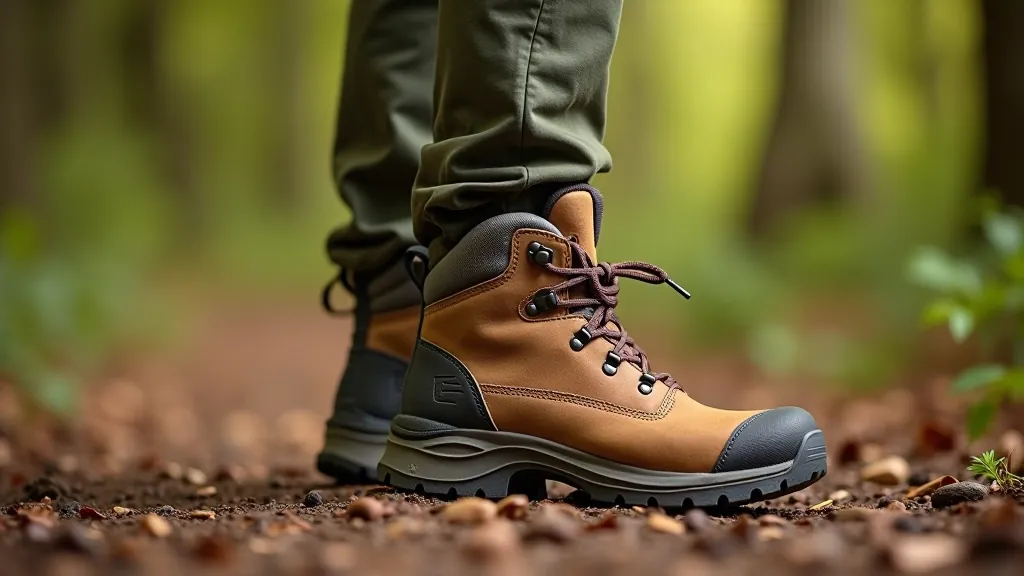
Your boots are literally the foundation of your hike. We're not saying you need expensive mountaineering boots — those are overkill for easy trails like the Red Trail at Avondale. What you need are shoes with proper support, decent traction, and a fit that doesn't cause blisters.
Here's a practical tip: get your boots fitted at a proper outdoor shop if you can. Staff there will watch how you walk and recommend shoes based on your foot type, not just what's on sale. And don't skip breaking them in — wear them around home for a few weeks before hitting the trail. Blisters on mile two aren't fun.
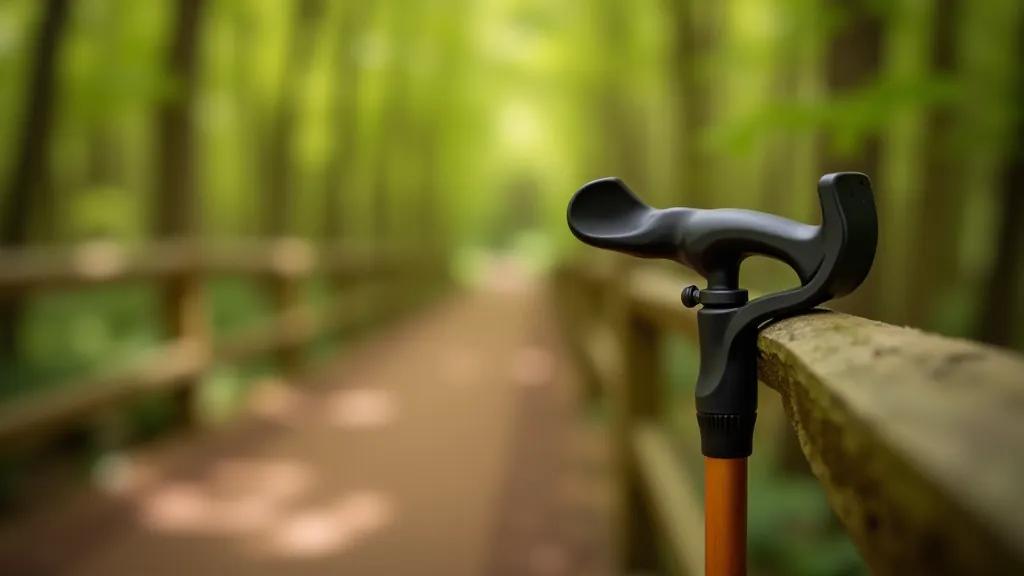
A lot of people think walking poles are optional or just for serious mountaineers. That's not accurate. Poles reduce the stress on your knees and hips by distributing your weight across four contact points instead of two. On a 5-mile walk, that's significant.
The Red Trail at Avondale has sections with decent elevation change. Poles help on both ups and downs. Going uphill, they give you something to push against. Going down, they take pressure off your knees — which is where most people feel the impact on easy trails.
Beyond boots and poles, a few practical items make outdoor time safer and more enjoyable. These aren't gadgets — they're solutions to problems you'll actually encounter.
Merino wool or synthetic blend socks keep feet dry and prevent blisters. Cotton holds moisture — avoid it. A good pair costs €10-15 and lasts for years.
A 15-20 liter pack carries water, snacks, a light jacket, and a phone. Nothing fancy needed — just something with padded straps and a hip belt for comfort.
Carry at least 1 liter of water. Reusable bottles are cheap and keep you hydrated. For the Red Trail, bring more in summer months.
Sunscreen, a hat, and sunglasses protect you on open sections of the trail. Sunburn isn't just uncomfortable — it's cumulative damage.
A small kit with plasters, pain relief, and blister treatment. You probably won't need it, but if you do, you'll be glad it's there.
Keep your phone charged and in a waterproof case. It's your map, emergency contact, and camera all in one.
Weather in Wicklow changes fast. You might start your walk cool in the morning and get warm by midday. The solution? Layers. Don't overthink this. Wear a moisture-wicking base layer, add an insulating middle layer if it's cool, and carry a lightweight waterproof jacket. That's it.
Avoid cotton — it holds sweat and makes you cold when you stop moving. Look for synthetic or wool blends that dry quickly. And here's something people often miss: your legs need protection too. Hiking trousers or tights protect against brambles, sun, and insect bites. They don't need to be technical — regular outdoor trousers work fine.
Pro Tip: Bring a small backpack even if you're only going for 2 hours. You'll want a place for a jacket when you get warm, your water bottle, and any layers you shed. A 10-liter pack barely registers on your shoulders.
This guide is informational and based on practical experience with outdoor activities. Every person's needs differ based on fitness level, age, and personal health conditions. Before starting any new hiking activity, consider consulting with your doctor, especially if you have existing joint issues, balance concerns, or haven't exercised regularly. Proper gear helps, but it's just one part of safe outdoor activity. Always hike with a companion, stay aware of weather conditions, and know your physical limits.
You don't need to buy everything at once. Start with proper boots, add walking poles once you understand how they help, and gradually build your kit with accessories that solve real problems. Most experienced hikers didn't buy their entire setup in one shopping trip — they figured out what works through experience.
The good news? Basic hiking gear is affordable. A decent pair of boots costs €80-120, walking poles around €40-60, and everything else is minimal. You're not looking at expensive technical equipment. You're looking at items designed to keep you comfortable, safe, and enjoying the outdoors.
The Red Trail at Avondale is perfect for testing gear. It's not demanding, but it has enough variety to show you what works. Wear your new boots, bring your poles, pack your small daypack, and pay attention to what makes you comfortable. That's how you build a kit that actually suits your hiking style.
Ready to get started on the trail?
Read: Getting Started on the Red Trail at Avondale